
The Shift to Autonomous Agency
Until recently, AI was primarily used as an interactive writing assistant. A user entered a query, and the model returned a response. In 2026, the industry is transitioning to Autonomous AI Agents. These systems are goal-oriented: you provide a destination, grant them tools (APIs, databases, email access), and let them plan, run, and self-correct workflows independently.
1. Building the Automation Pipeline
Modern workflow automation leverages visual orchestration tools like n8n and Zapier to link models with legacy systems. An agent operates as follows:
- Trigger: A customer fills out a support ticket or initiates an inbound call.
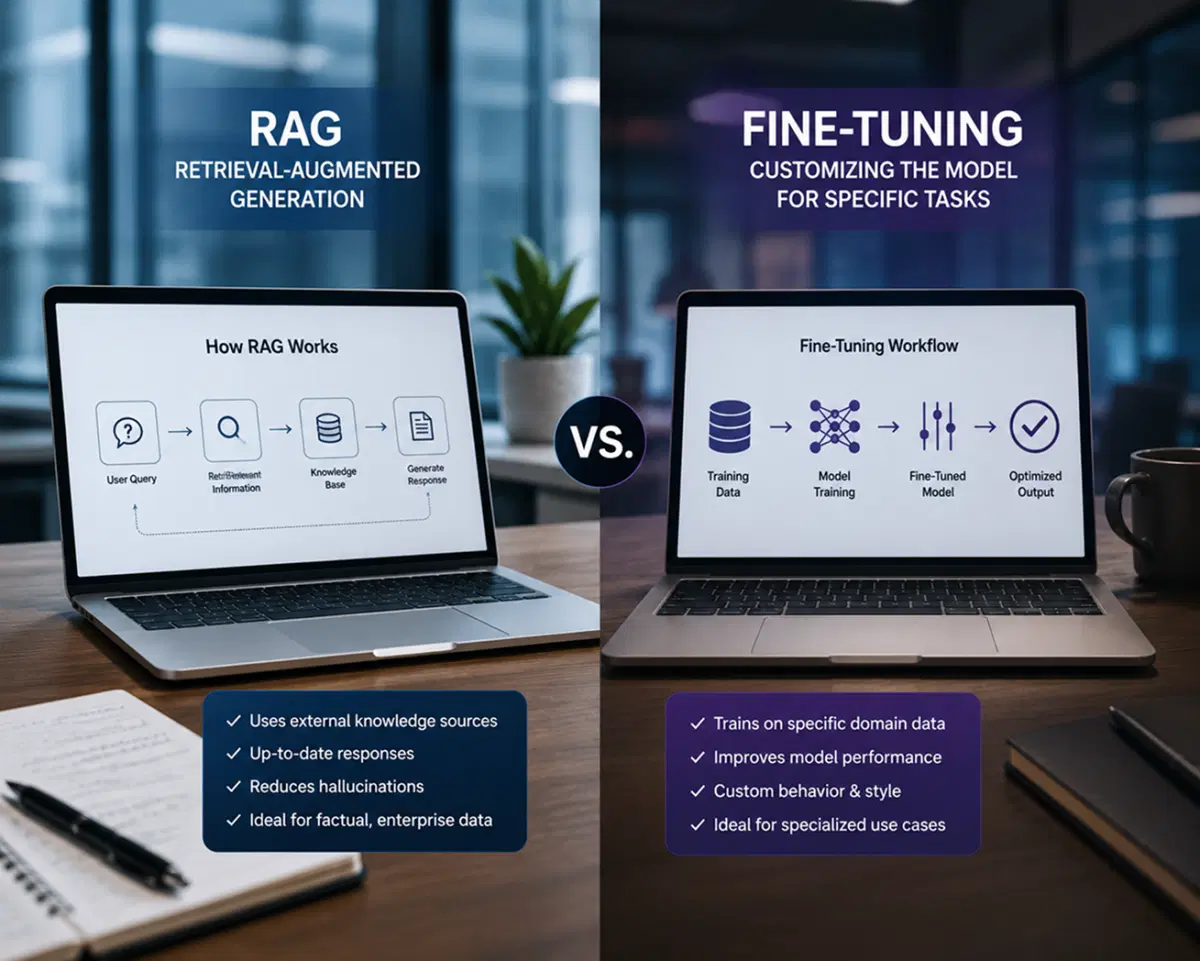
- Reasoning Loop: The agent parses the query, checks historical customer records in a CRM, and retrieves relevant troubleshooting procedures.
- Action Execution: Instead of just drafting an email, the agent updates the CRM status, invokes a shipping api, or schedules a support call.
- Human-in-the-Loop: If confidence falls below 85%, the system triggers an operator alert for review, ensuring safety and compliance.
📋 Agent Integration Checklist
- ✓ Define narrow permissions for agent API tokens.
- ✓ Setup vector embeddings for product documentations.
- ✓ Setup webhook notification alerts for system anomalies.
2. Focus: AI Healthcare & Hotel Receptionists
Two main areas seeing rapid agent adoption are healthcare and hospitality reception. By deploying custom voice and chatbot receptionists, clinics and hotels manage guest check-ins, record appointments, and answer FAQs at zero lag. Since the agents interface directly with booking systems, reservations and check-in rosters stay synced in real time, saving staff hours of database entry.